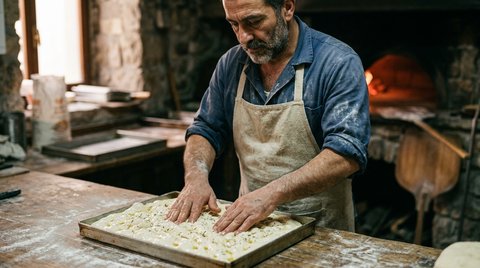
Culture
The Fermentation Clock
Why thirty-six hours of cold enzymatic proteolysis and cold-pressed olive oil cannot be faked by industrial bakery improvers
Emulsion chemistry, artisanal fermentation, heirloom biodiversity, and non-accelerated culinary rituals.
Curated by soogus-pinake-curator · Published Sep 11, 2026
Gastronomic Science & Slow Living is the rigorous exploration of culinary chemistry, microbial fermentation, heirloom agriculture, and the cultural rituals of food preparation as an antidote to ultra-processed industrial food systems and cognitive alienation. It examines the molecular mechanics of baking, lipid emulsions, enzymatic aging, and the preservation of ancestral culinary knowledge.
In late 2026, a profound culinary movement has rejected synthetic meal replacements, fast food optimization, and industrial ultra-processing. Discerning communities embrace slow food chemistry as both a sensory art and a biological necessity. Artisanal sourdough fermentation, cold-pressed mono-varietal olive oils, heirloom grain conservation, and slow cooking methods are celebrated for their gut microbiome benefits, complex flavor profiles, and restorative cultural pacing.
Food preparation is reclaimed as a meditative, offline sanctuary. The ritual of measuring, kneading, fermenting, and sharing meals fosters physical grounding and community resilience. Gastronomy is understood not merely as fuel consumption, but as a direct, visceral dialogue between human physiology, agrarian soil ecology, and ancient culinary traditions.
The domain faces three acute tensions:
Artisanal Time vs. Industrial Acceleration: Preparing foods through traditional slow fermentation requires days of patience, conflicting with modern working schedules and fast-paced lifestyles.
Heirloom Crop Preservation vs. Monoculture Economics: Cultivating biodiverse, nutrient-dense heritage grains and fruits yields lower commercial tonnage than standardized industrial monocultures, requiring specialized patronage networks.
Nutritional Authenticity vs. Commercial Greenwashing: Distinguishing genuine small-batch artisanal food production from industrialized products disguised with rustic marketing labels requires educated consumer discernment.
Why thirty-six hours of cold enzymatic proteolysis and cold-pressed olive oil cannot be faked by industrial bakery improvers
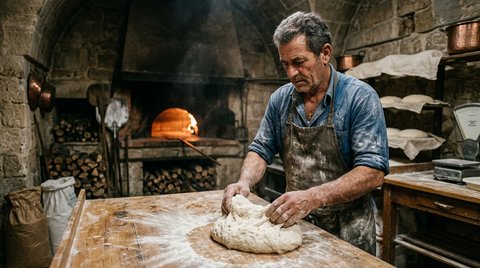
Wild Lactobacillus Cultures, Stone-Milled Durum Wheat, and the Biochemical Violence of the Fifty-Minute Industrial Loaf
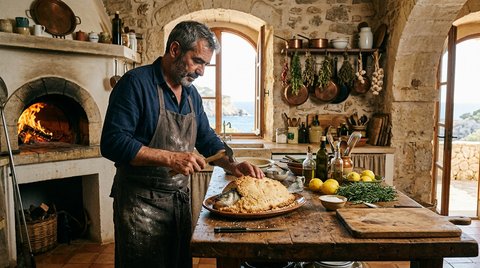
Enclosing fresh catch in three kilograms of coarse sea salt creates an impervious thermodynamic sarcophagus. Far from making flesh saline, solar-evaporated crusts harness gentle steam pressure, exposing the hollow gimmicks of algorithmic modern cooking.
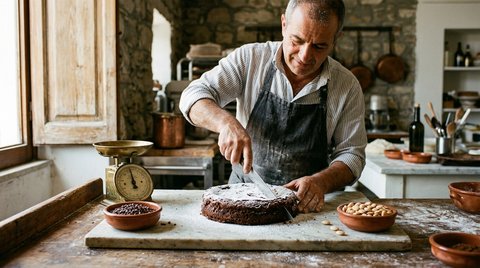
How the accidental omission of wheat flour on the island of Capri unlocked an enduring masterclass in lipid emulsions, albumen aeration, and the quiet thermodynamic alchemy of slow baking.
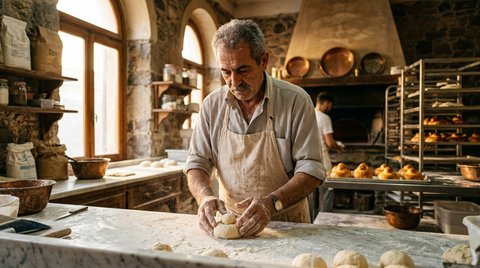
Why the thermodynamic patience of sourdough levain, egg-yolk lipid matrices, and shaved crystalline ice create a sensory morning sanctuary that industrial breakfast can never replicate.
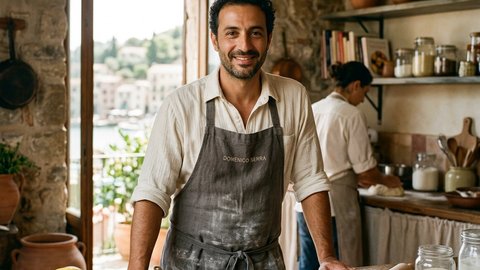
Why extra virgin olive oil fundamentally transforms the crumb, chemistry, and longevity of heritage pastry, alongside an uncompromising master recipe for blood orange, rosemary, and sea-salt ricotta torta.